

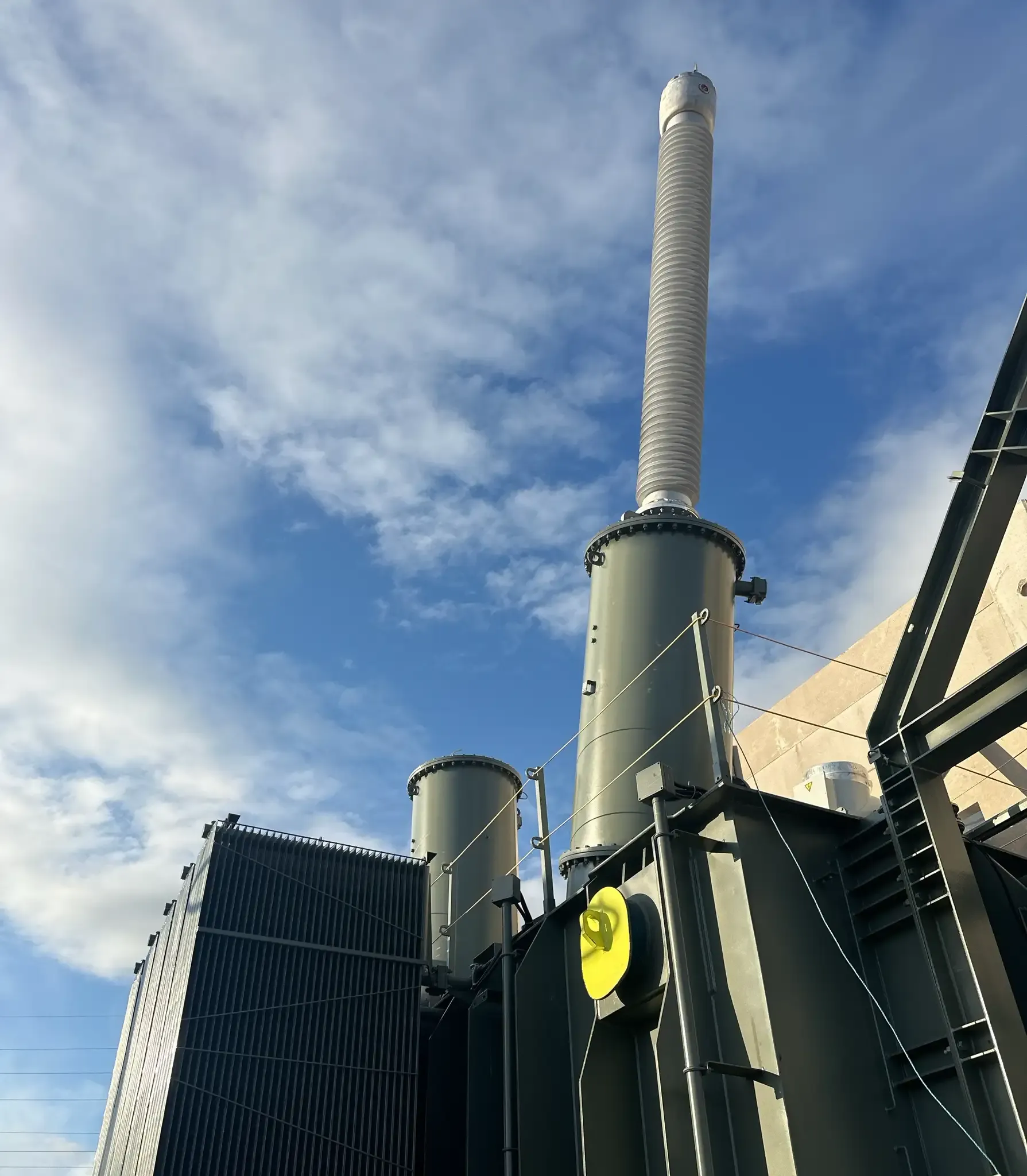
What Is Electrical Commissioning?
Learn what electrical commissioning is, why it matters and how it ensures electrical systems are safe, compliant and ready for use.
Published
Reading time
3 min read
Electrical commissioning is the process of testing and verifying an electrical system before it is put into operation. In simple terms, it is the stage where a completed installation is checked to ensure everything is safe, compliant and working exactly as it should. Without commissioning, even a well installed system carries risk.
At Northern HV, electrical commissioning is a critical part of every project, ensuring systems are ready for energisation and long term performance.
Why Electrical Commissioning Is Important
Electrical systems, particularly high voltage systems, must operate safely from the moment they are switched on. Commissioning is what provides that confidence.
It ensures that equipment has been installed correctly, protection systems are functioning as intended and any faults are identified before they can cause problems.
Without proper commissioning, issues can go unnoticed until the system is live. This can lead to downtime, damage or safety risks.
What Happens During Electrical Commissioning?
The commissioning process follows a structured approach, designed to check every part of the system before energisation.
It typically includes:
- Visual inspections to confirm correct installation
- Testing of equipment such as transformers, switchgear and cabling
- Verification of protection settings and safety systems
- Functional testing to confirm the system operates as designed
Each stage is carefully recorded to provide a full record of compliance and performance.
When Does Electrical Commissioning Take Place?
Electrical commissioning takes place after installation but before the system is energised. It may also be required following major upgrades, maintenance work or when bringing an existing system back into operation. Planning commissioning early helps avoid delays and ensures the project runs smoothly.
Who Carries Out Electrical Commissioning?
Electrical commissioning is carried out by qualified engineers with experience in testing, inspection and high voltage systems.
For HV projects, this often involves specialist engineers who understand protection systems, switching procedures and safety requirements. This level of expertise is essential to ensure the system is safe to energise.
Electrical Commissioning in HV Projects
In high voltage environments, commissioning is especially important. The risks are higher, and the systems are more complex.
A thorough commissioning process helps to:
- Confirm system integrity before energisation
- Ensure protection systems respond correctly to faults
- Reduce the risk of failure once live
- Support compliance with industry standards
This is why commissioning is never treated as a final check. It is a key stage of the project.
How Northern HV Supports Electrical Commissioning
At Northern HV, electrical commissioning is integrated into every stage of our work.
We provide full commissioning services for HV and LV systems, including testing, protection setup and detailed reporting. Our engineers work closely with clients to ensure systems are delivered safely and ready for operation.